Driving a Greener Future Through Sustainability
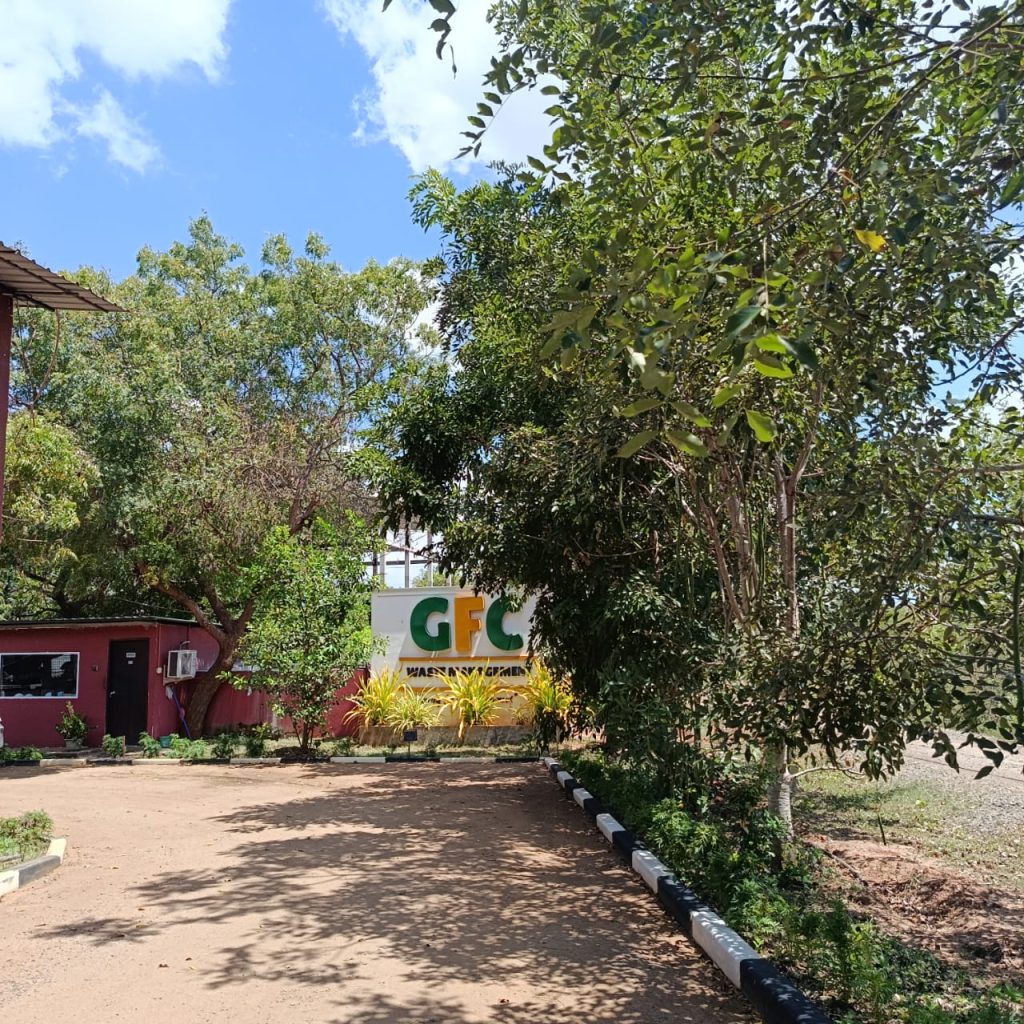
Sustainability in waste management companies focuses on handling waste in a way that reduces environmental impact while conserving natural resources. Driving a Greener Future Through Sustainable Waste Management Sustainability in waste management companies focuses on handling waste in a way that reduces environmental impact while conserving natural resources. It involves shifting from traditional disposal methods to more responsible practices such as recycling, reuse, and waste reduction. This approach helps minimize pollution and supports long-term environmental balance. Modern waste management companies are increasingly adopting sustainable technologies and systems to improve efficiency. These include advanced recycling facilities, waste-to-energy solutions, and digital tracking systems that optimize collection and processing. Such innovations help reduce landfill dependency and lower greenhouse gas emissions. WhatsApp Image 2026-04-20 at 12.39.31 (1) WhatsApp Image 2026-04-20 at 12.39.30 (1) WhatsApp Image 2026-04-20 at 12.39.30 WhatsApp Image 2026-04-20 at 12.39.31 Another important aspect of sustainability is promoting responsible waste segregation and awareness among industries and communities. When waste is properly separated at the source, it becomes easier to recycle and process efficiently. Education and awareness programs play a key role in improving participation and reducing contamination in recyclable materials. Overall, sustainability in waste management is essential for creating a cleaner and healthier environment. It not only protects natural ecosystems but also supports economic growth through resource recovery and green job creation. By continuously improving sustainable practices, waste management companies contribute significantly to a more circular and eco-friendly future.
Transforming Operations Through Enterprise Resource Planning (ERP)
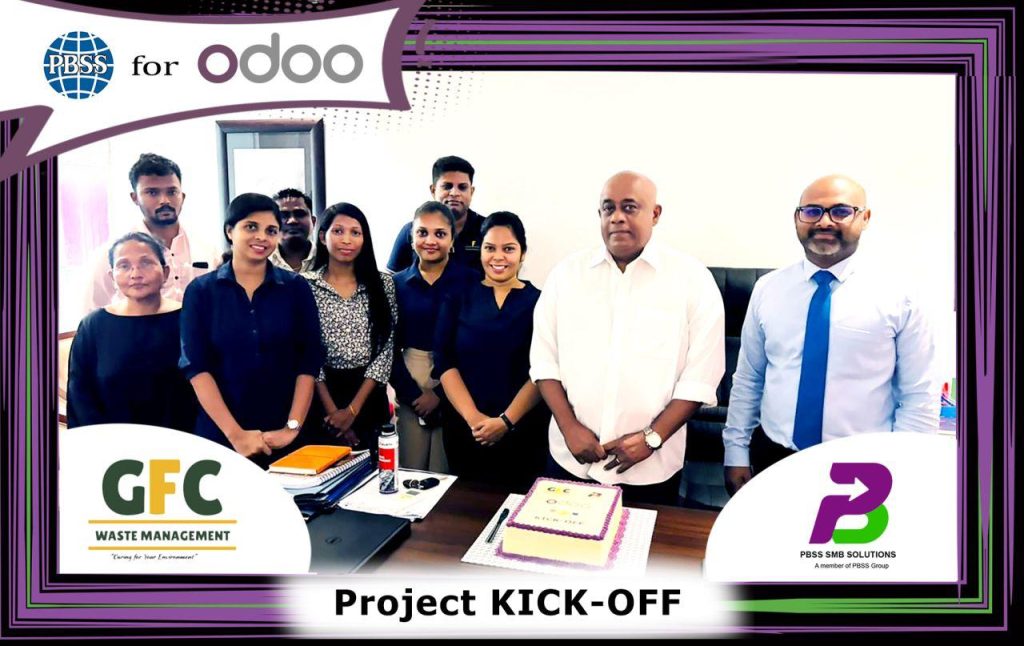
Businesses are increasingly adopting Enterprise Resource Planning (ERP) systems to improve efficiency Transforming Operations Through Enterprise Resource Planning (ERP) Businesses are increasingly adopting Enterprise Resource Planning (ERP) systems to improve efficiency, streamline operations, and strengthen coordination across departments. An ERP system integrates core business functions into a single platform, allowing organizations to manage processes more effectively while reducing manual work and duplication. Key departments such as Human Resources, Transport, Sales, Invoicing, Procurement, and Inventory can all operate within the ERP framework. This integration enables departments to share data in real time, improving accuracy, visibility, and decision-making. With all critical information centralized, organizations can respond faster to operational needs and business opportunities. One of the major advantages of an ERP system is enhanced communication and collaboration among departments. Since all teams access the same system, information flows seamlessly across the organization, reducing delays and misunderstandings. This creates a more connected business environment and supports smoother coordination between internal functions. Establishing an ERP system is a strategic step toward building a stronger and more efficient business process. It improves productivity, supports better resource management, and provides a foundation for long-term growth. By adopting ERP, organizations can modernize operations and achieve greater overall performance.
Field Study on Medical Waste Management
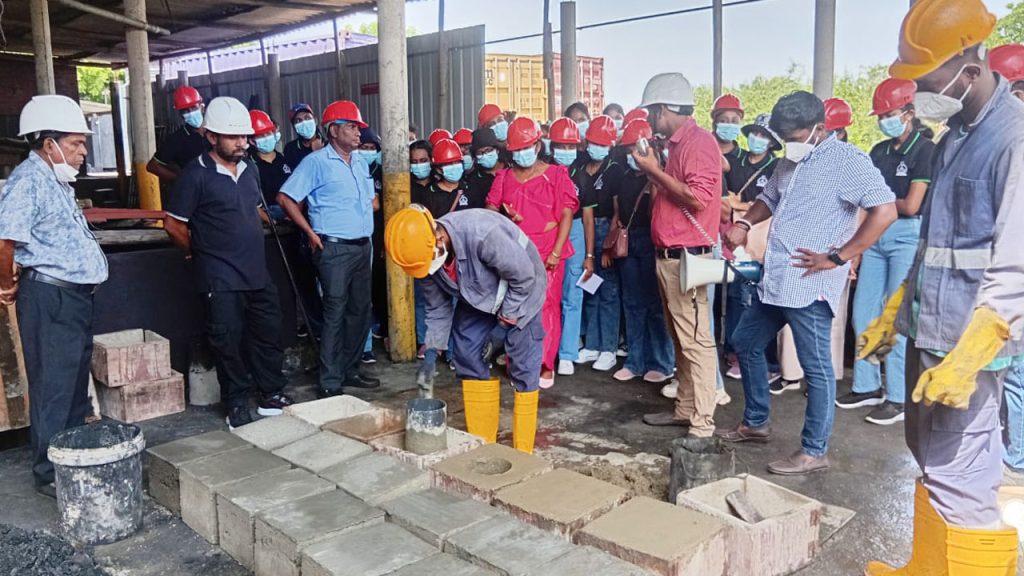
Undergraduate students from Rajarata University conducted a field visit to observe and learn about the Medical Waste Management process Field Study on Medical Waste Management Undergraduate students from Rajarata University recently participated in a field visit aimed at enhancing their understanding of Medical Waste Management systems. The educational visit provided hands-on exposure to real-world practices and strengthened their academic knowledge through direct observation. During the visit, students were introduced to the complete lifecycle of medical waste handling, including waste collection, transportation, storage, and final disposal. These key stages were demonstrated and explained in detail, allowing students to better understand how healthcare facilities manage potentially hazardous materials safely and efficiently. medical-waste-disposal-field-visit-sri-lanka medical-waste-collection-transportation-sri-lanka rajarata-university-students-waste-management-visit medical-waste-management-field-study-gfc A major focus of the session was the integration of innovative technologies in modern waste management systems. Students learned how technological advancements are improving efficiency, traceability, and environmental safety in the handling of medical waste. In addition, strong emphasis was placed on strict adherence to health and safety standards to protect both workers and the public. The program also highlighted the importance of aligning medical waste management practices with Sustainable Development Goals (SDGs), particularly those related to health, environmental protection, and responsible consumption. This helped students connect their academic studies with broader global sustainability efforts. Overall, the field visit provided valuable practical insights and encouraged meaningful knowledge exchange between professionals and students. It also opened discussions on future improvements and innovations in the field of medical waste management, inspiring students to contribute to safer and more sustainable healthcare systems in the future.